Long before borders were drawn or Europeans crossed the Atlantic, the land we now call New Jersey was known as Scheyichbi — a landscape of rivers, forests, coastal plains, and tidal waters that sustained the Lenape people for countless generations. Their history lived not in written records but in stories passed from elders to children, shared around fires, in longhouses, and along the waterways that shaped their world.
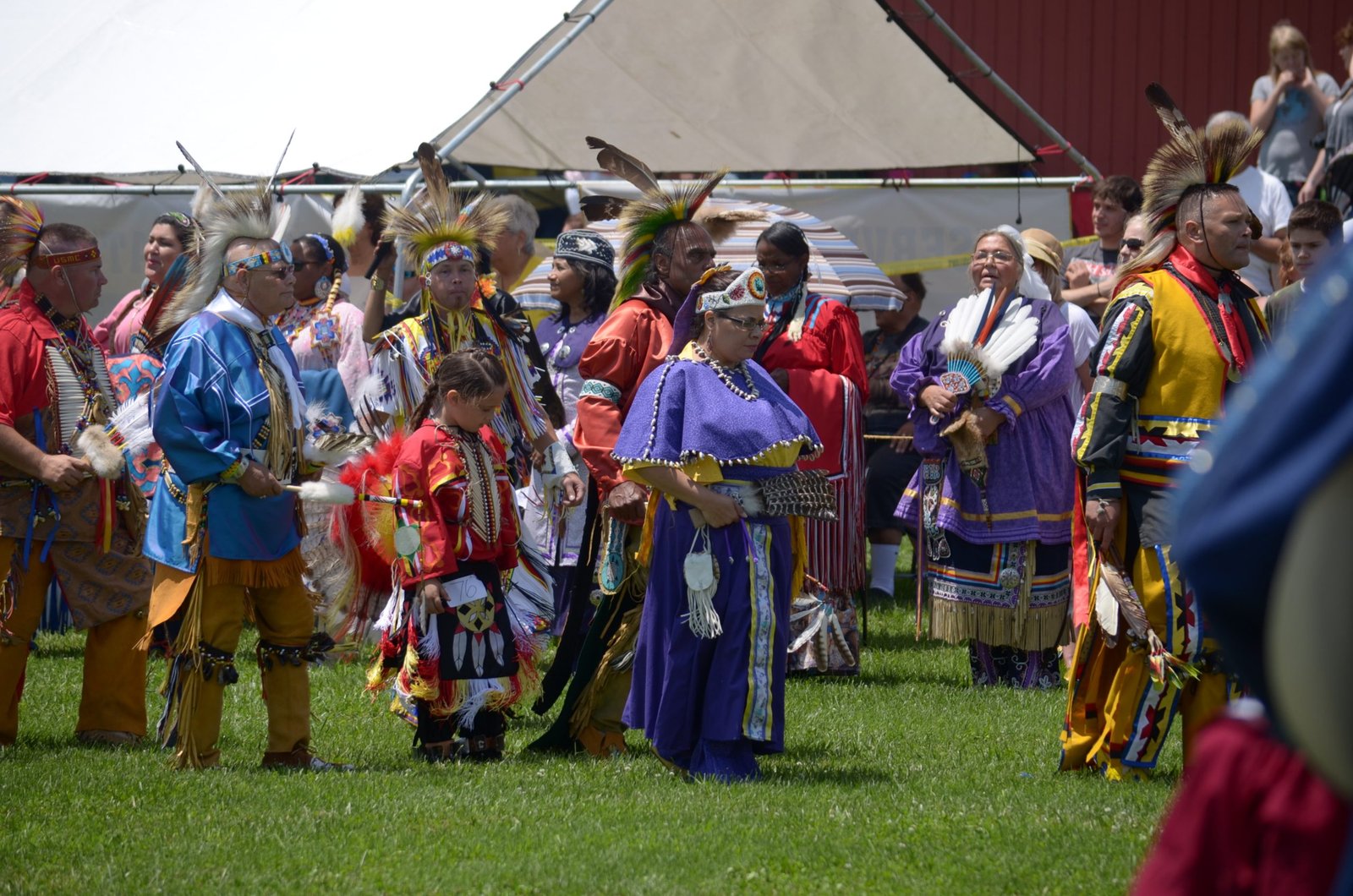
The Lenni‑Lenape, whose name means “original people,” inhabited what is now New Jersey, Delaware, and eastern Pennsylvania for thousands of years. They called their homeland Lenapehoking — the land of the Lenape — a reflection of their deep connection to the region’s geography, seasons, and natural resources.
According to Lenape oral tradition, their ancestors migrated eastward over many generations, traveling from lands beyond the Mississippi River until they reached the great waterways of the Susquehanna and the Delaware. These stories — part memory, part metaphor — describe a people moving toward the rising sun, following rivers, game trails, and the rhythms of the land.
When they reached the Delaware River, they named it Lenapewihittuck, “the River of the Lenape,” marking it as a place of belonging. Crossing into Scheyichbi, they found fertile soil, freshwater springs, shellfish‑rich bays, and forests filled with deer, turkey, and medicinal plants. Here they built villages, council sites, and seasonal camps stretching from the Delaware Water Gap to the salt marshes of the coast.
When Europeans arrived in the Mid‑Atlantic, they encountered thriving Lenape communities. Colonists later referred to them as the Delaware Indians, a name taken from the nearby river rather than their own identity.
Among neighboring nations, the Lenape were known as the “Grandfather People,” respected for their diplomacy, consensus‑based governance, and commitment to resolving conflict through council rather than warfare. Their values of respect, responsibility, and balance shaped the region long before colonial boundaries existed.
To the Lenape, Scheyichbi was not a territory to be claimed but a living homeland to be cared for. Every river bend, cedar swamp, and stretch of shoreline held meaning. In this land of water and forest, the story of New Jersey truly begins.
Their deep knowledge of the region later made them essential partners to early settlers. During the Revolutionary War, the Lenape supported the Continental Army, offering warriors, scouts, and guidance in exchange for food, supplies, and promised protection — a testament to their enduring role in the history of the Mid‑Atlantic.