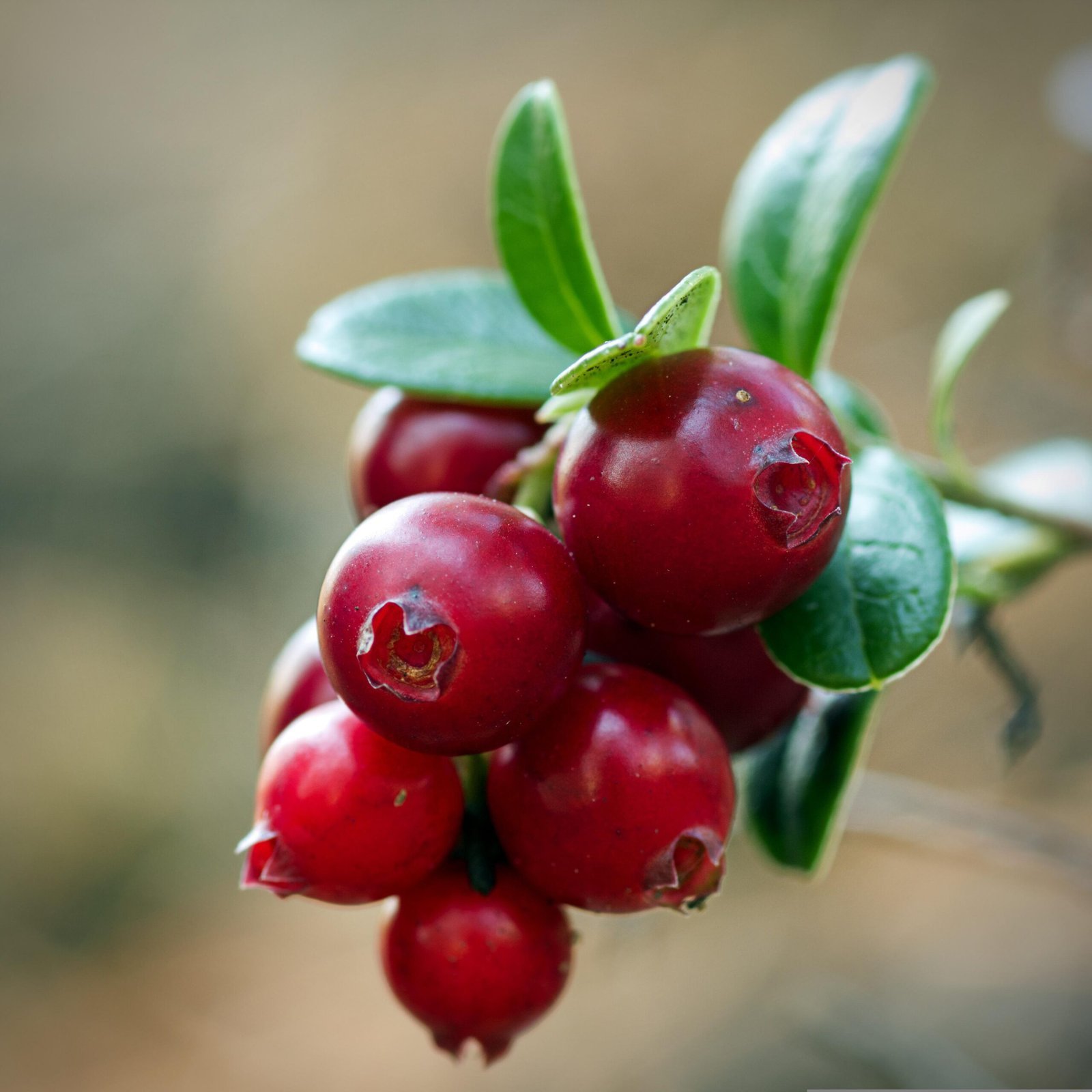
Double Trouble Co.: A Cranberry Village Preserved in New Jersey’s Coastal Heritage
Hidden within the quiet forests of Ocean County lies one of New Jersey’s most enduring heritage landscapes — the former Double Trouble Company, a cranberry‑and‑lumber village whose story reflects the resilience, ingenuity, and cultural traditions of the Pine Barrens communities that shaped our coastal region.
Today known as Double Trouble State Park, the site stands as a rare preserved example of a working cranberry settlement, where industry, ecology, and community life intertwined for more than a century.
A Village Born From Water and Wood
The name “Double Trouble” emerged in the 1800s, when a beaver dam repeatedly flooded a local sawmill along Cedar Creek. What began as a humorous nickname soon became the identity of a small mill village built around Atlantic white cedar, a resource essential to boatbuilding, shingles, and coastal construction throughout New Jersey’s maritime towns.
The early settlement reflected the character of Pine Barrens life — resourceful, isolated, and deeply connected to the land.
Cranberries Take Root in the Pines
By the 1860s, families working the cedar swamps began cultivating cranberries, recognizing the region’s sandy soil and flowing freshwater as ideal for bogs. These early growers helped establish Ocean County as one of the nation’s leading cranberry producers, tying the village’s future to a crop that would become synonymous with New Jersey’s agricultural heritage.
The Crabbe Family and the Rise of a Cranberry Enterprise
In 1904, Toms River businessman Commodore Edward Crabbe purchased the village and transformed it into a modern cranberry operation. Under the Crabbe family’s stewardship:
Cedar swamps were engineered into productive bogs
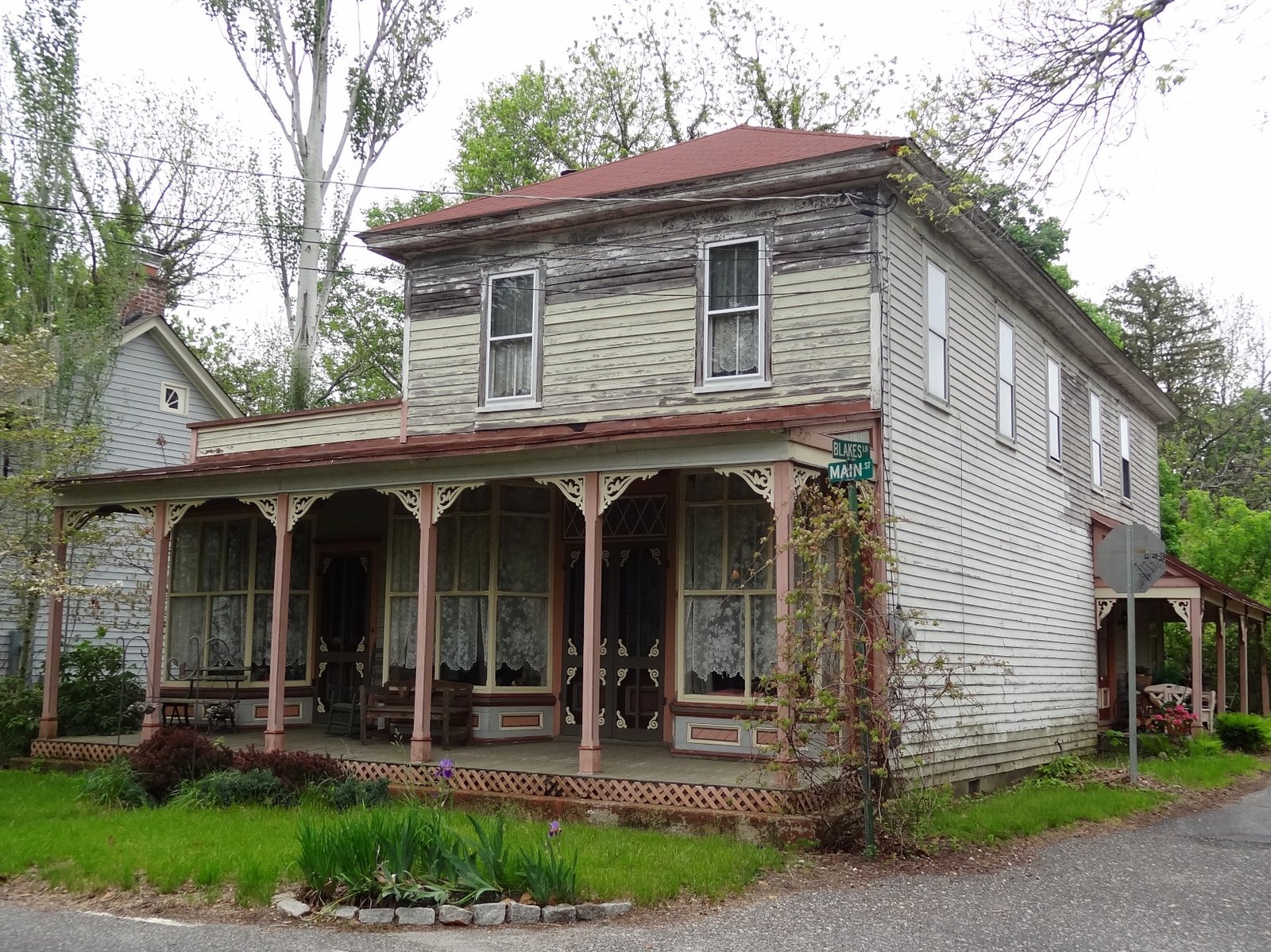
A company village grew around the sorting house, pump stations, and workers’ homes
The operation expanded to 1,600 acres
Ocean County briefly produced nearly 25% of America’s cranberries
The Crabbe family’s influence extended beyond agriculture — their work preserved the cultural landscape of a Pine Barrens community at a time when many similar villages disappeared.
Decline of the Industry and Preservation of the Land
By the mid‑20th century, the cranberry industry faced challenges: the death of Edward Crabbe, construction of the Garden State Parkway, and the nationwide cranberry scare of 1959. In 1964, the family sold the land to the State of New Jersey, ensuring the village’s survival as a protected historic site.
A Living Piece of Coastal Heritage
Walking through Double Trouble today is like stepping into a preserved chapter of New Jersey’s past. Visitors can explore:
The restored cranberry sorting house
Historic workers’ cabins
Water-control structures that powered the bogs
The Crabbe family cemetery
Cedar forests that once fueled the lumber trade
The village stands as a testament to the people who shaped New Jersey’s coastal identity — farmers, mill workers, and families whose lives were woven into the rhythms of the Pine Barrens.
Double Trouble Co. is more than a former cranberry enterprise. It is a heritage landscape, a cultural landmark, and a reminder of the industries and communities that helped define New Jersey’s coastal story.